


"Art speaks where words are unable to explain"
Threadless Artist Mathiole
The Art Curriculum
How does art support our curriculum intent and Christian Vision?
Art is another form of communication and gives a chance for children to express themselves in a creative way. Art helps children understand how others see things and connets children to the very best cultural works in art that artists have created. It helps the children understand what it is to be fully human and how art has been used throughout history to tell our story.
How do we structure the curriculum in art?
The whole art curriculum is planned so that art skills develop over time. It uses a variety of topics so that children can explore a stimulus over a number of lessons. Sketch books have been introduced so that children can record their ideas and practice skills oer a period of time. The children study a range of artists from different cultures and genres. Art is also a perfect subject to demonstrate learning in history, geography and science so time is also given to respond creatively in these subjects.
Art in the Early Years
Art in the early years is about experimenting and working out how to use different tools and different media can be used to create art work. We use paint, paper, glue, collage, clay and a whole host of natural materials to investigate and get creative.
The Wider Curriculum in art
One of the major events in the calendar is the annual Bishop Wilton show and also Driffield show. All the children take part in the numerous classes many of which are art classes. The children have time in the summer term to prepare and the results are always amazing and give the children the chance to be really creative and inventive with the skills they have learnt in lessons.

|
The Wolds Federation Art Progression Document.version 1docx | [pdf 513KB] |

|
|
|
Art Policy 2023 | [pdf 152KB] |
|
Exemplifications in Art
Each term we review the outcomes for our DT topic. The documents below demonstrate the progression in skills that the children produce in our mixed age classes. We level these against the end of key stage expectations and assess the childrens progress towards these at the end of each unit.
|
|
KS1 Art exemplification Spring Cycle A Architecture | [pdf 227KB] |
|
|
|
Spring Cycle D Art Exemplification | [pdf 576KB] |
|
|
|
Art exempliication KS2 Exploring repeating pattern | [pdf 281KB] |
|
|
|
Art Exemplification KS2 using mixed media | [pdf 278KB] |
|
|
|
Art exemplification KS2 sculpture | [pdf 291KB] |
|
|
|
Art exemplification KS1 Printing | [pdf 269KB] |
|
|
|
Art exemplification KS1 Exploring water colour | [pdf 543KB] |
|
|
|
Art exemplification KS1 Printing (spring) | [pdf 269KB] |
|
|
|
Art Exemplification KS2 using mixed media | [pdf 278KB] |
|
|
|
Art exemplification KS2 sculpture | [pdf 291KB] |
|
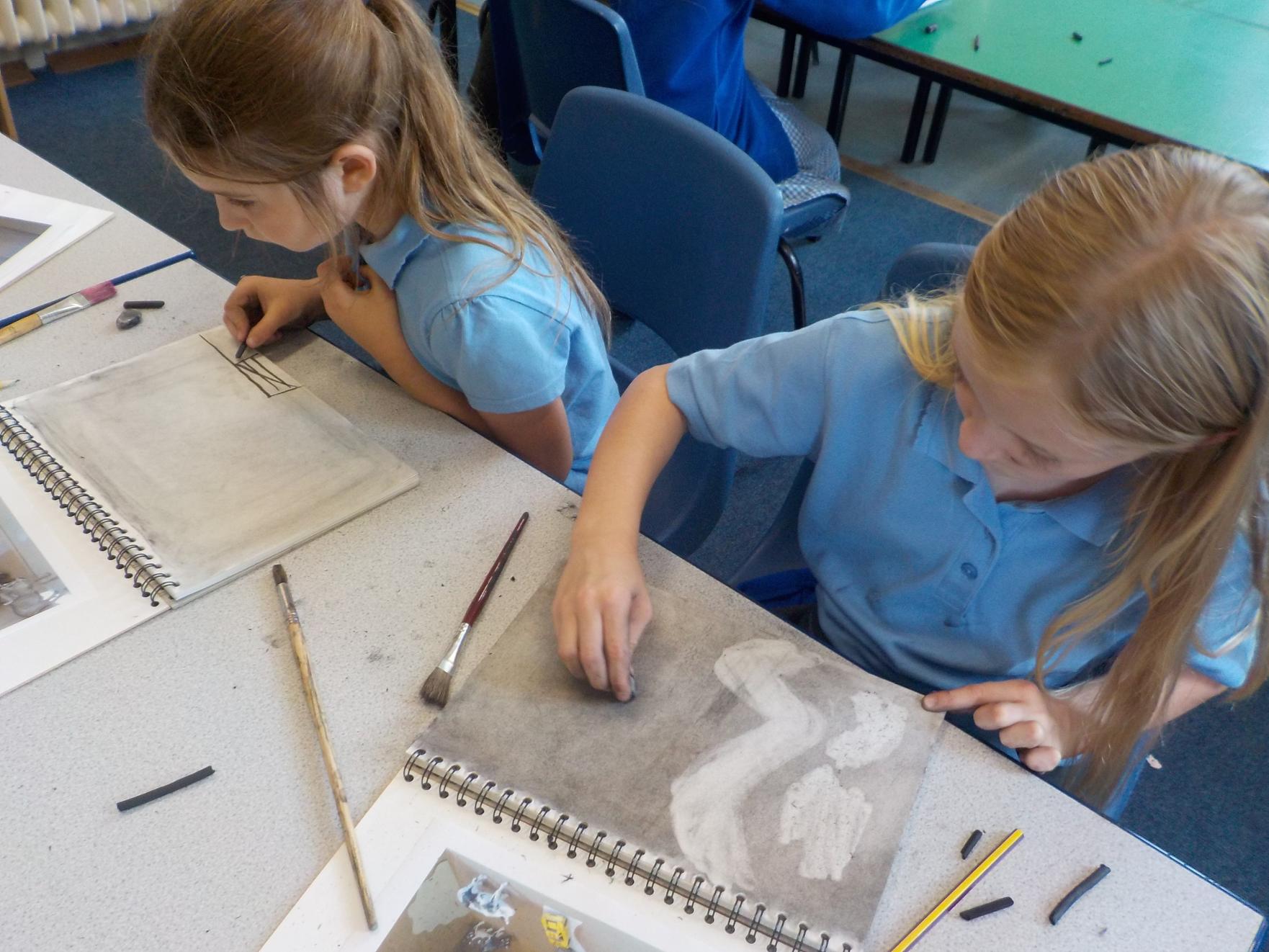
Using sketch books
Children concentrating hard, recording in their sketch books.
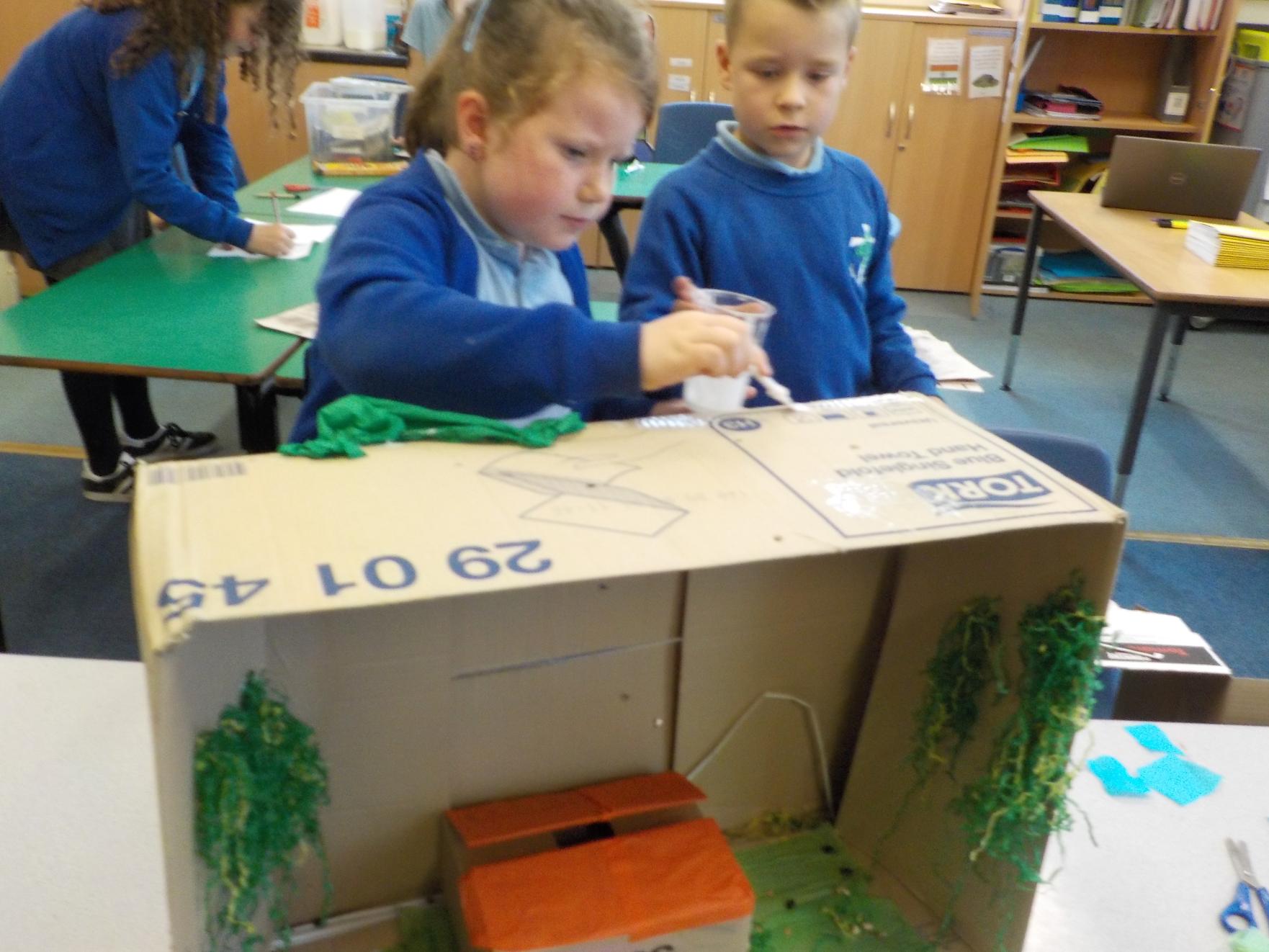
Building and decorating
Working together to build the set for the latest art topic.
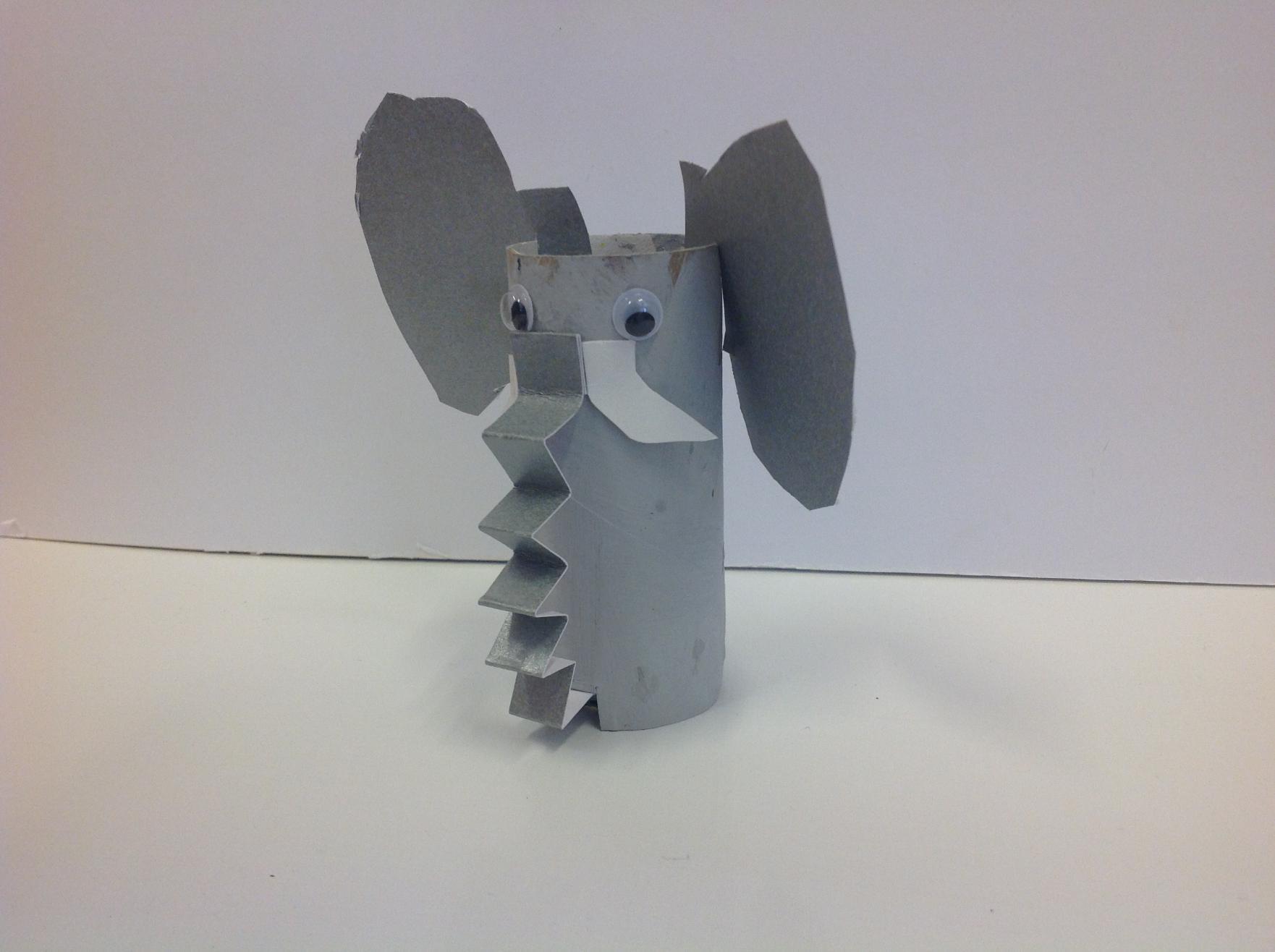
Bishop Wilton Show Entry
An elephant made by one of the children from recycled materials as an entry to Bishop Wilton Show in July 2021